logo

THE BLOG

THE BLOG

THE BLOG

90+ Satisfied Local Legends

Pulled Hamstring vs Torn Hamstring: What’s the Difference & When to See a Physio?

Pulled Hamstring vs Torn Hamstring: What’s the Difference & When to See a Physio?

Not sure if you’ve pulled or torn your hamstring? Learn the key differences, symptoms to watch for, and how to recover faster with expert physio care from Pinnacle Physio and Performance.

Nov 4, 2025

Brady Duynhoven

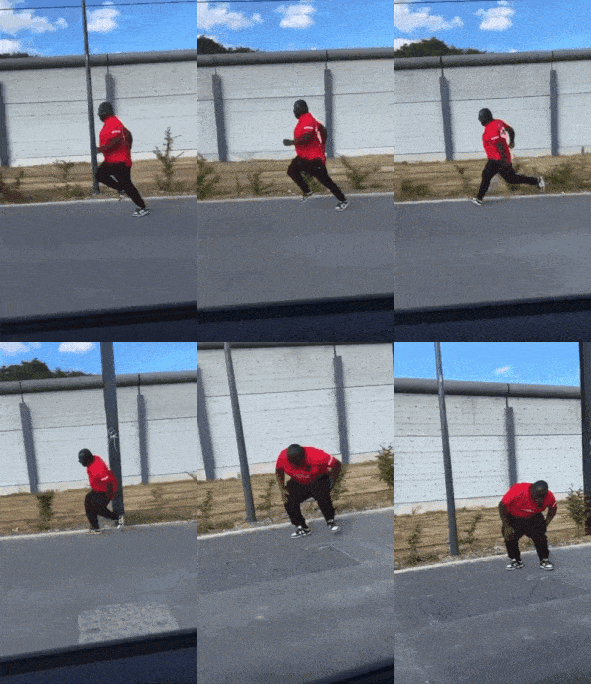
Golozer Golozer Run

Pulled Hamstring vs Torn Hamstring: What’s the Difference?

A pulled hamstring and a torn hamstring are part of the same injury spectrum, the difference lies in severity.

  • A pulled hamstring (also called a strain) involves overstretched muscle fibres.

  • A torn hamstring means some or all fibres have been damaged or completely ruptured.

Both can be painful. But understanding the difference is crucial for proper recovery.

Quick Anatomy: What Are the Hamstrings?

Your hamstring muscles are a group of three muscles at the back of your thigh:

  • Biceps femoris

  • Semitendinosus

  • Semimembranosus

They help you bend your knee and extend your hip — crucial for walking, running, and jumping.

Hamstring Strain Grading (Pulled vs Torn)

Grade

Type

What’s Happening

Recovery Time

Grade 1

Pulled

Mild overstretching, minimal fibre damage

1–2 weeks

Grade 2

Partial Tear

Moderate fibre tearing, pain & weakness

3–6 weeks

Grade 3

Complete Tear

Full rupture, severe pain & loss of function

8–12+ weeks (may require surgery)

Common Causes of Hamstring Injuries

Hamstring injuries are common in:

  • Sprinting sports (e.g. football, AFL, athletics)

  • Sudden acceleration or deceleration

  • Poor warm-ups or muscle imbalances

  • Previous hamstring injuries


Pulled Hamstring vs Torn Hamstring: What’s the Difference?

A pulled hamstring and a torn hamstring are part of the same injury spectrum, the difference lies in severity.

  • A pulled hamstring (also called a strain) involves overstretched muscle fibres.

  • A torn hamstring means some or all fibres have been damaged or completely ruptured.

Both can be painful. But understanding the difference is crucial for proper recovery.

Quick Anatomy: What Are the Hamstrings?

Your hamstring muscles are a group of three muscles at the back of your thigh:

  • Biceps femoris

  • Semitendinosus

  • Semimembranosus

They help you bend your knee and extend your hip — crucial for walking, running, and jumping.

Hamstring Strain Grading (Pulled vs Torn)

Grade

Type

What’s Happening

Recovery Time

Grade 1

Pulled

Mild overstretching, minimal fibre damage

1–2 weeks

Grade 2

Partial Tear

Moderate fibre tearing, pain & weakness

3–6 weeks

Grade 3

Complete Tear

Full rupture, severe pain & loss of function

8–12+ weeks (may require surgery)

Common Causes of Hamstring Injuries

Hamstring injuries are common in:

  • Sprinting sports (e.g. football, AFL, athletics)

  • Sudden acceleration or deceleration

  • Poor warm-ups or muscle imbalances

  • Previous hamstring injuries


Dont suffer one more day then you have to...

not sure if we have the right service for you ?

Book a consult or have a chat with one of our specialists today to find out how we can help!

Open slots

Signs & Symptoms: Pulled vs Torn Hamstring

Pulled Hamstring (Grade 1):

  • Mild to moderate pain during movement

  • Muscle tightness or cramping

  • Some discomfort when stretching or walking

Torn Hamstring (Grade 2–3):

  • Sudden sharp pain at the back of the thigh

  • Swelling and bruising

  • Difficulty walking or bearing weight

  • Muscle weakness

  • “Popping” sensation at time of injury

Do You Need to See a Physio?

If you’re unsure whether it’s a pulled or torn hamstring, it’s best to get assessed early.

See a physio if:

  • Pain lasts more than 2–3 days

  • You have swelling or bruising

  • You can’t walk properly

  • You’re an athlete or active person who wants a safe return to sport

First Aid for a Hamstring Injury

In the first 48 hours:

  • ✅ Rest

  • ✅ Ice every 2–3 hours (20 minutes max)

  • ✅ Compression bandage

  • ✅ Elevate the leg

  • ✅ Book a physio assessment

Avoid:

  • ❌ Heat

  • ❌ Alcohol

  • ❌ Running

  • ❌ Deep massage

These can increase bleeding and delay healing.

Rehab & Return to Sport: Why Physio Matters

Rehab isn’t just about pain relief. A physio will:

  • Identify the grade of your hamstring injury

  • Restore flexibility and range of motion

  • Guide safe strengthening exercises

  • Reduce risk of re-injury (which is high if untreated)

  • Track your return-to-play readiness

At Pinnacle Physio and Performance, we tailor every program to your goals—whether it’s a 5K, finals footy, or pain-free walking.

Get Expert Hamstring Injury Treatment in Burleigh

Whether you’ve pulled a hammy at footy or felt a sudden tear during a sprint, we’re here to help. Our experienced physiotherapists will diagnose your injury, support your recovery, and help you return stronger.

Don’t Let a Hamstring Injury Linger

Book a physiotherapy assessment today with Pinnacle Physio and Performance. Early treatment = faster recovery.